


The Iranian War Changed Everything for Putin.
At the start of the year, the Russian economy looked to be giving way. Revenues were declining, production was decreasing, and trade was at a standstill as a result of the war and sanctions. A wave of bankruptcies was on the horizon as rising tariffs made credit prohibitively expensive and borrowing almost impossible. In late January, Russia was forced to sell oil to India at just $22 per barrel, about a third of the market rate. As a symbol of unsustainability, it was hard to beat.
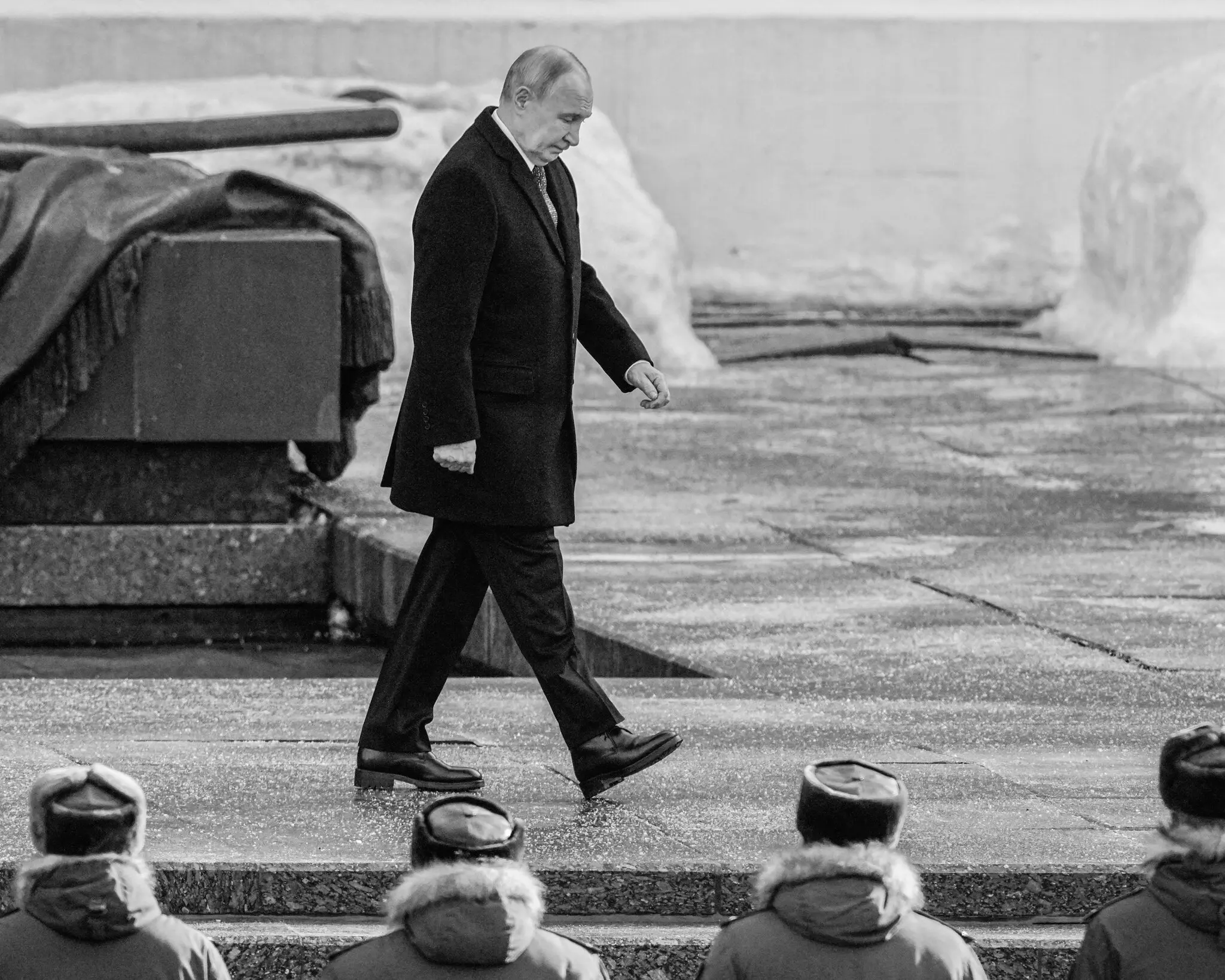
President Vladimir Putin has heard such complaints throughout the war. However, those in his immediate vicinity believe that he has largely chosen not to listen. For their part, officials and business leaders were aware that the continuation of the war was his top priority and that the state of the nation’s economy had little impact. But in February something shifted. Mr. Putin began, suddenly, to pay attention to the flagging economy. There were even signs he might be changing his mind on negotiations with Ukraine, perhaps seeking an exit from the conflict.
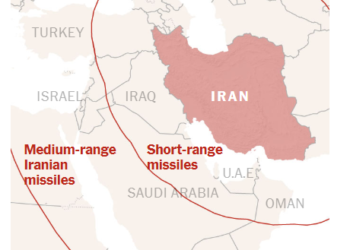
Then came the war in Iran. The conditions for conciliation were overturned in one fell swoop. In the midst of rising oil prices, division in the West, and American overreach, the pressure on Mr. Putin’s willingness to come to terms waned. By a strange twist of history, the start of the war in Iran halted the prospect of ending the war in Ukraine — at the very moment when Mr. Putin appeared ready to consider it.
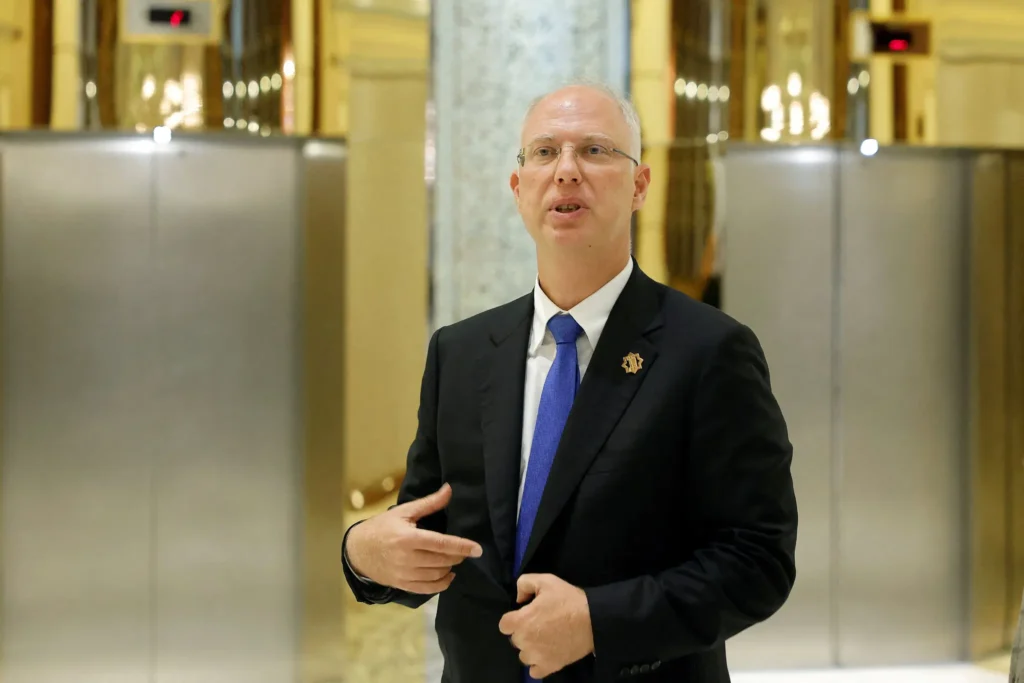
In February, Mr. Putin seemed ready to change course and overhaul his negotiating team. Kirill Dmitriev, the Kremlin’s chief envoy who is widely seen as an insubstantial figure with no real mandate, was reportedly on the verge of dismissal. The leading candidate to replace him was Igor Sechin, the head of the state oil giant Rosneft. Regarded as Mr. Putin’s right-hand man, Mr. Sechin previously oversaw Russia’s relationships with Latin America, as well as the cultivation of close relationships with American oil executives. Here was an indication that Mr. Putin might begin to take talks seriously.
At the same time, rumors began circulating of an imminent large-scale reshuffle of the Russian government. If Mr. Putin were to engage properly in negotiations and pursue peace with Ukraine, he would have to entirely rebuild the structure of power. According to people close to the Kremlin, that could include dismissing the current government. Clouds had already begun to gather over Prime Minister Mikhail Mishustin: Individuals close to him have recently become defendants in criminal cases.
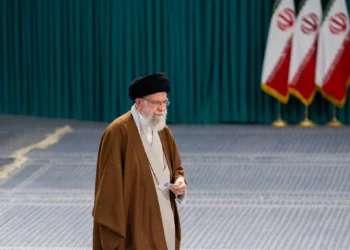
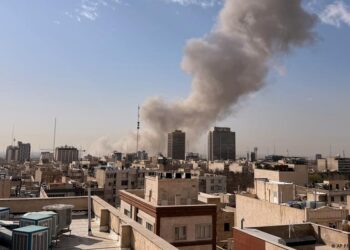
We will never know what might have happened. On Feb. 28, Ayatollah Ali Khamenei was killed in a joint U.S.-Israeli attack; in the days that followed, everything changed. Oil prices surged above $100 a barrel and, in a major reversal, the United States lifted sanctions on Russian oil. Demand soared for Russian fertilizer as the world reeled from disruptions to food supply. All of a sudden, the economic problems bedeviling Russia seemed to evaporate.
What’s more, divisions deepened between the United States and its NATO allies, who refused to send ships to the Strait of Hormuz. President Trump called it a “very foolish mistake.” For Mr. Putin, whose foreign policy has been built around cultivating disorder in the West, this was welcome. Equally important is the absorption of America’s attention in the Middle East, pushing Ukraine far from mind. Not only is attention being diverted, but the United States is also burning through ammunition and weapons that could have been sent to Ukraine.
In America, too, the Kremlin spies an advantage. It is not difficult to comprehend how a prolonged conflict with Iran could weaken Mr. The Republican Party’s weakness and Trump’s political standing make the upcoming midterm elections particularly uncertain. This reinforces Mr. Putin’s conviction about the transience of American politics. Mr. Trump, like any American president, is a temporary figure: A new administration will eventually arrive, potentially with a very different approach to Russia.

The war in Iran may hasten that shift. Concessions regarding Ukraine would be pointless in this perspective. These are all considerable boons for the Kremlin. But the money now flooding into Russia is by no means a guarantee that Mr. Putin will be able to continue the war indefinitely. On the contrary, some close to the government believe that the current situation will be short-lived. By May, many in Moscow expect, the war in Iran could be over and sanctions against Russia reinstated. There is no long-term solution for the troubled Russian economy.
The situation inside Russia is becoming turbulent, too. The Kremlin is anticipating parliamentary elections this fall in a state of near-paranoia, flip-flopping on plans to fill Parliament with veterans and harshly confronting a pro-regime blogger who publicly turned against Mr. Putin. It has moved to block Telegram, the country’s most widely used messaging platform, while internet outages are becoming increasingly frequent in Moscow and St. Petersburg. The rumors of sweeping government reshuffles have not gone away.
A level of public discontent that until recently would have been unthinkable is now part of daily life. Before too long, it seems, Mr. Putin will have to make a consequential choice: either agree to some form of de-escalation in Ukraine, potentially including an end to the war, or move in the opposite direction — tightening controls across the board, even to the point of a new mobilization. It’s impossible to predict what decision Mr. Putin will make. However, America’s decision to continue its own war will play a significant role.