



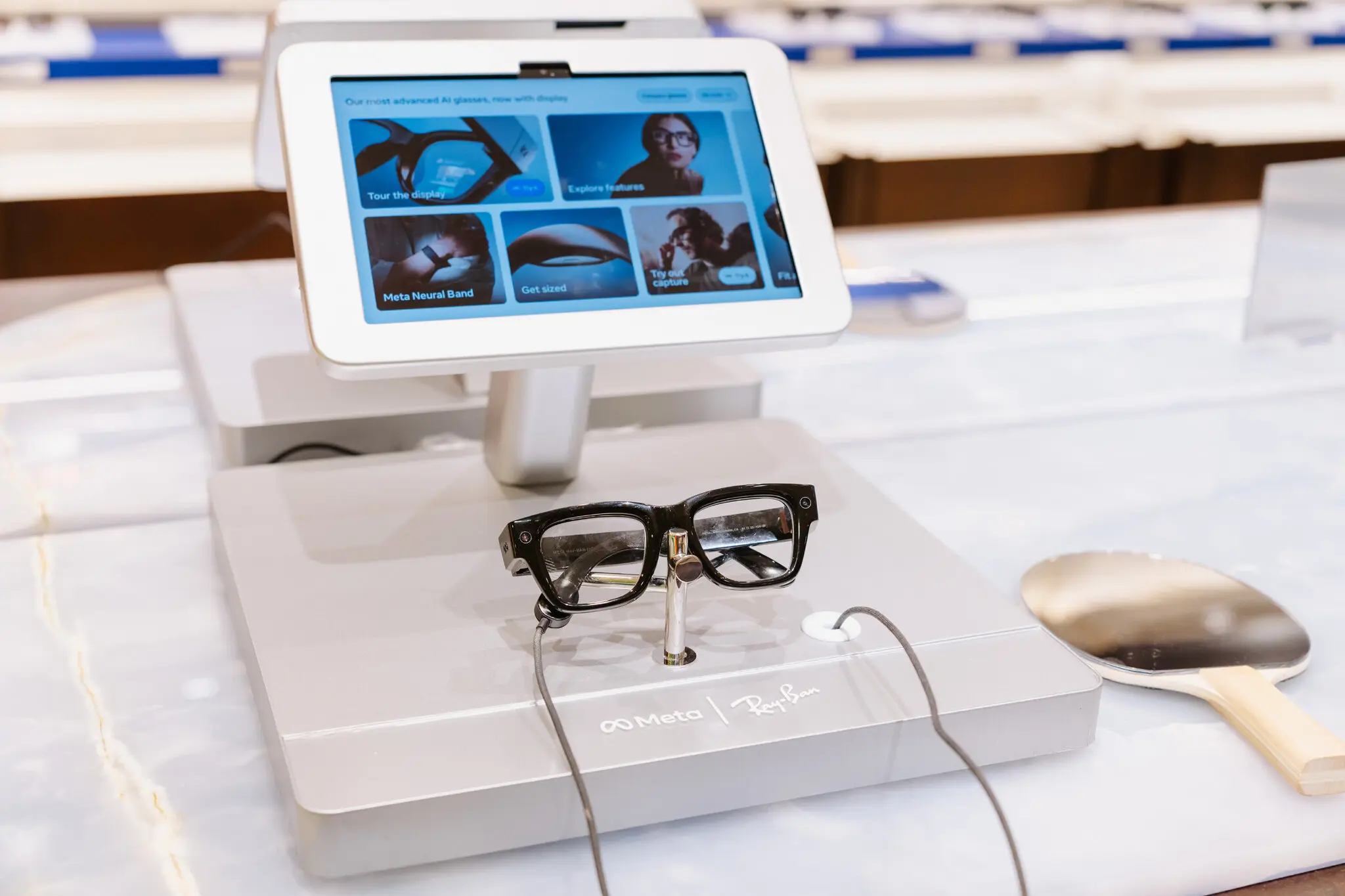
Meta intends to include technology for facial recognition in its smart glasses.
In an internal memo last year, Meta said the political tumult in the United States would distract critics from the feature’s release.
Facebook shut down the facial recognition system for tagging people in photos on its social network five years ago because it was trying to find “the right balance” for a technology that raises privacy and legal issues. Now it wants to bring facial recognition back.
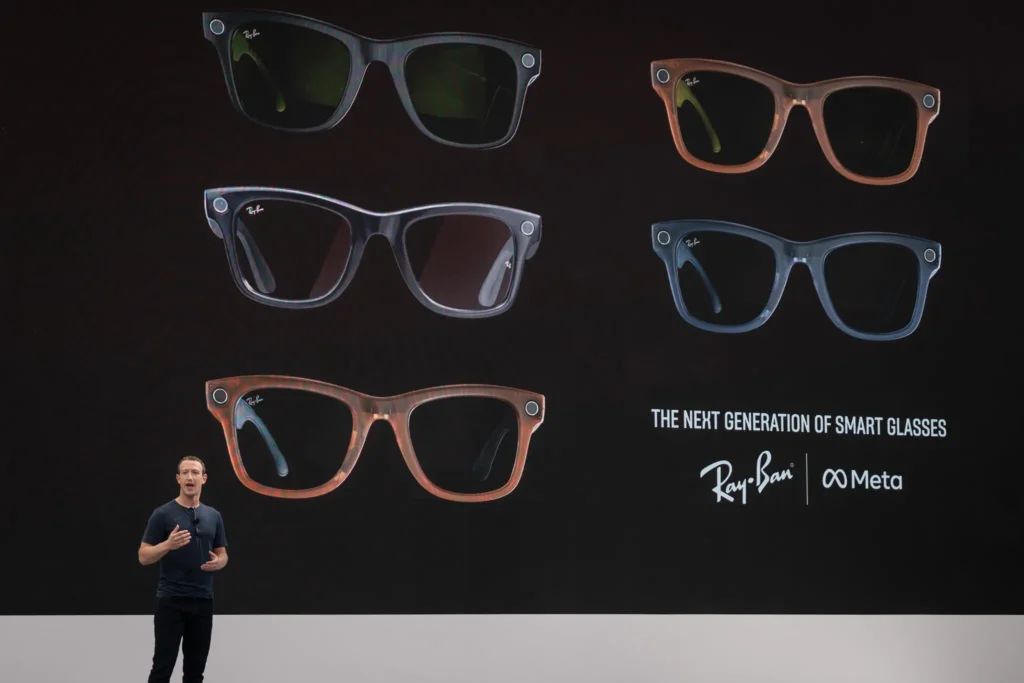
Meta, Facebook’s parent company, plans to add the feature to its smart glasses, which it makes with the owner of Ray-Ban and Oakley, as soon as this year, according to four people involved with the plans who were not authorized to speak publicly about confidential discussions.
Meta’s artificial intelligence assistant would enable smart glasses users to identify individuals and obtain information about them through the feature, which is internally referred to as “Name Tag.” The plans of Meta could shift. According to an internal document seen by The New York Times, the Silicon Valley company has been discussing how to release a feature that poses “safety and privacy risks” since the beginning of the year.
The document, from May, described plans to first release Name Tag to attendees of a conference for the blind, which the company did not do last year, before making it available to the general public.
According to an internal memo from Meta, the political upheaval in the United States was a good time to release the feature. According to the document from Meta’s Reality Labs, which works on hardware like smart glasses, “We will launch during a dynamic political environment where many civil society groups that we would expect to attack us would have their resources focused on other concerns.” Facial recognition technology has long raised civil liberty and privacy concerns for its potential use by governments to monitor citizens and suppress dissent, by corporations to track unwitting customers or by creeps at bars.
Some cities and states have restricted or banned use of the technology by the police over concerns about its accuracy. Democratic lawmakers recently asked Immigration and Customs Enforcement to stop using facial recognition technology on American streets.
“Face recognition technology on the streets of America poses a uniquely dire threat to the practical anonymity we all rely on,” said Nathan Freed Wessler of the American Civil Liberties Union. “This technology is ripe for abuse.”
In 2021, Meta considered including facial recognition in the initial version of its Ray-Ban smart glasses, but decided against it due to ethical and technical issues. It has renewed its efforts as the Trump administration has aligned closely with big tech companies and as Meta’s smart glasses have become an unexpected commercial success.
This week, EssilorLuxottica, which makes the glasses with Meta, said it sold more than seven million of them last year. Meta’s smart glasses are expected to face fresh competition from companies, like OpenAI, that have teased their own wearable A.I. devices.
According to three people involved in the plans, Mark Zuckerberg, the CEO of Meta, wants to add facial recognition to differentiate the devices and make the artificial intelligence assistant in the glasses more useful. Two of the individuals stated that Meta is investigating who ought to be recognizable by the technology. Possible options include recognizing people a user knows because they are connected on a Meta platform, and identifying people whom the user may not know but who have a public account on a Meta site like Instagram.
The feature would not give people the ability to look up anyone they encountered as a universal facial recognition tool, two people familiar with the plans said.
“We’re building products that help millions of people connect and enrich their lives,” Meta said in a statement. “We’re still thinking through options and will take a thoughtful approach if and before we roll out anything,” says the company, “even though we frequently hear about the interest in this type of feature and some products already exist on the market.” The Information reported last year that Meta had renewed work on facial recognition in its smart glasses.
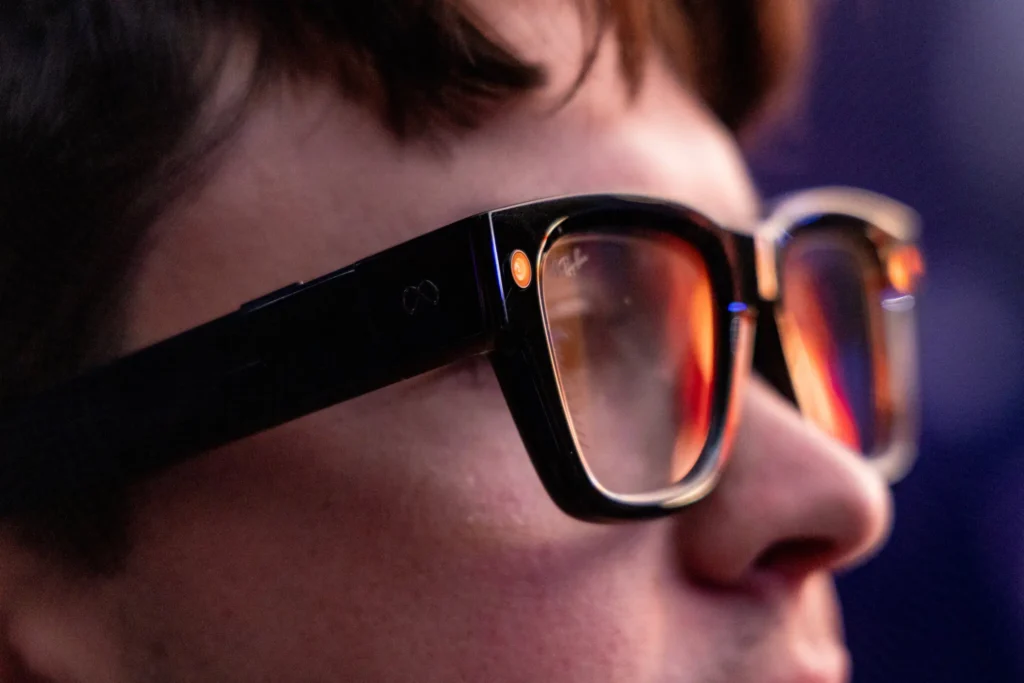
Meta’s smart glasses have been used to identify people before. In 2024, two Harvard students used Ray-Ban Metas with a commercial facial recognition tool called PimEyes to identify strangers on the subway in Boston, and released a viral video about it. At the time, Meta pointed to the importance of a small white LED light on the top right corner of the frames “that indicates to people that the user is recording.”
Meta’s smart glasses require a wearer to activate them to ask the A.I. assistant a question or to take a photo or video. The company is also working on glasses, internally called “super sensing,” that would continually run cameras and sensors to keep a record of someone’s day, similar to how A.I. note takers summarize video call meetings, three people involved with the plans said.
Facial recognition would be a key feature for “super sensing” glasses so they could, for example, remind wearers of tasks when they saw a colleague. Mr. Zuckerberg has questioned if the glasses should keep their LED light on to show people they are using the “super sensing” feature, or if they should use another signal, one person involved with the plans said.
For more than a decade, Meta has worked on facial recognition technology. Mr. Zuckerberg supported the company’s Fundamental A.I. Research lab, or FAIR, in developing ways to use A.I. and facial recognition technology to help people who are blind or have low vision, three people familiar with the work said. This includes collaborating with outside organizations like the accessibility technology firm Be My Eyes. Be My Eyes CEO Mike Buckley stated that he had discussed face-recognizing glasses for low- or no-vision individuals with Meta “for a year.” “It is so important and powerful for this group of humans,” he said.

The president of the National Federation of the Blind, Mark Riccobono, stated that although he was unaware of any specific plans to provide the glasses to conference attendees in July, he would support the idea. Meta has a long history of costly privacy mistakes.
In recent years, the company paid $2 billion to settle lawsuits in Illinois and Texas that accused it of collecting the facial data of users without their permission for a since-shuttered facial recognition system on Facebook that let users tag their friends in photos more easily. In 2019, Facebook settled a lawsuit with the Federal Trade Commission for $5 billion, claiming that it had violated user privacy with its facial recognition software. As part of the F.T.C. settlement, Meta agreed to review every new or modified product for potential risks to the privacy of the company’s users.
In January 2025, Meta relaxed that process for reviewing privacy risks, according to an internal post viewed by The Times. The company’s privacy teams have less influence over product releases, and there are new limits on how long the risk review process takes.
Around that time, people who worked on risk review wondered if Meta would still abide by its FTC settlement with the changes. Andie Millan, a director of risk review in Reality Labs, told them that she believed the changes would “push the bounds” of Meta’s agreement with the F.T.C., according to a recording of an internal meeting obtained by The Times.
“Mark wants to push on it a little bit,” Ms. Millan said, referring to Mr. Zuckerberg.