


Inca Empire and Its History
The Inca Empire civilization was one of the largest and most advanced civilizations in pre-Columbian America, and it flourished in the Andean region of South America. Its empire, known as the Inca Empire, existed from the early 15th century until the Spanish conquest in the early 16th century. Below is a detailed overview of the Inca civilization:
1. Geography and Location
The Inca civilization was centered in the Andean highlands of South America, primarily in modern-day Peru, Ecuador, Bolivia, Chile, Argentina, and Colombia. The capital city of the Inca Empire was Cuzco, situated now in present-day Peru. The empire spanned along the western coast of South America, reaching from the southern part of present-day Colombia to central Chile.
2. Timeline and Political Structure
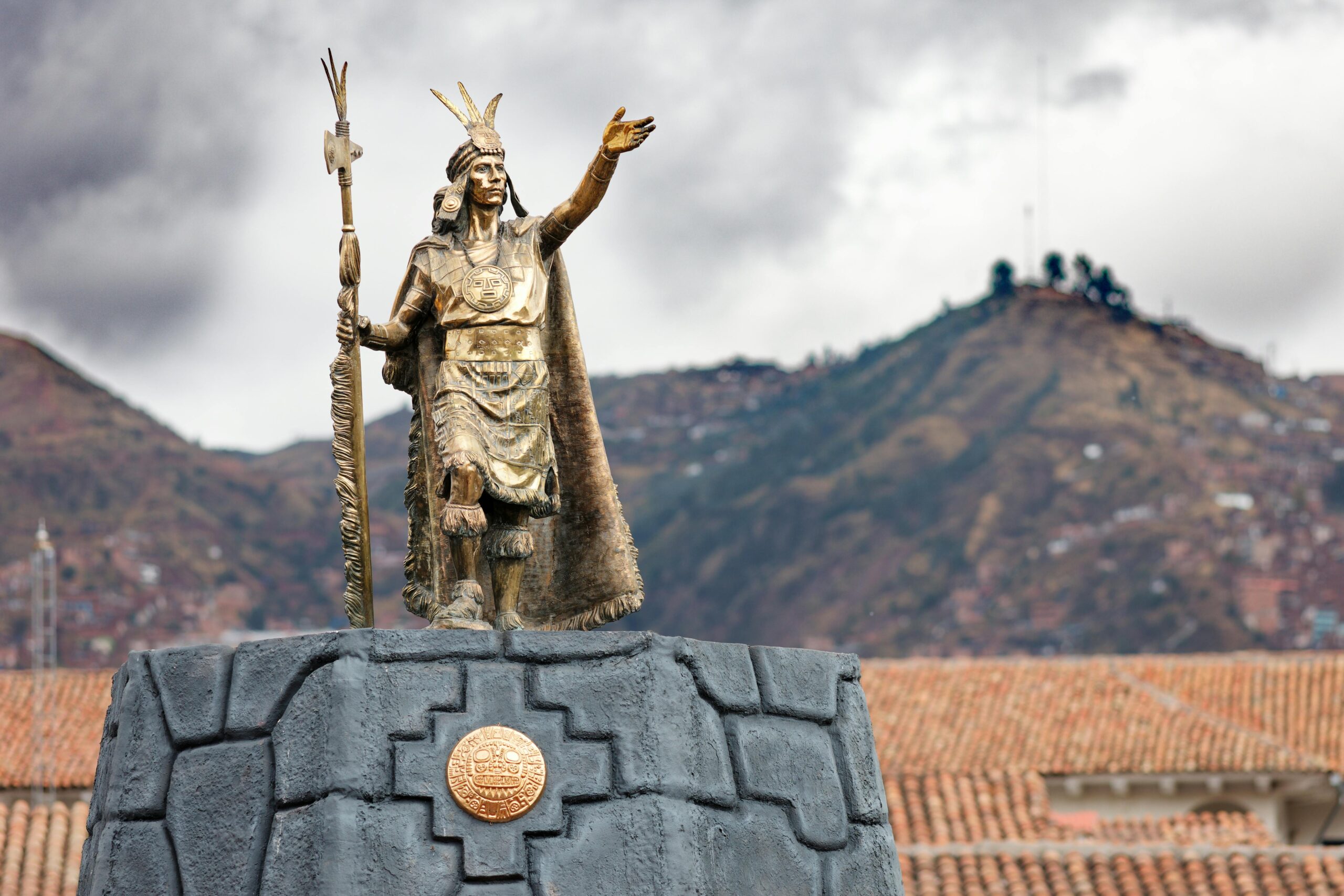
- Formation of the Inca Empire: The Inca Empire began its expansion around 1438 CE under the leadership of the first emperor, Pachacuti. By the time of the Spanish conquest in 1533 CE, the empire stretched from southern Colombia to central Chile, covering an area of over 2,500 miles.
- Sapa Inca: The supreme ruler of the Inca Empire was the Sapa Inca. The title was hereditary, and the Sapa Inca was considered a living god, a direct descendant of the sun god Inti. He wielded absolute power over the empire.
- Governance: The empire was divided into four administrative regions, each called suyu. These regions were governed by officials appointed by the Sapa Inca. The political system was highly centralized, with the emperor at the top, but it also relied on a complex network of local rulers, known as curacas, who administered smaller communities.
3. Social Structure
The Inca society was stratified with a clear hierarchy in the social structure:
- Sapa Inca: The emperor, considered the “son of the sun.”
- Royal Family: Close family members of the Sapa Inca who held important positions in governance.
- Noble Class: The upper class, which included priests, military leaders, and high-ranking officials.
- Artisans and Traders: Skilled workers who produced goods for the empire.
- Farmers and Laborers: The majority of the population worked as farmers or laborers.
- Mit’a System: The Inca employed a labor tax system known as mit’a, where common people worked for the state in exchange for land, food, and protection. Laborers were expected to contribute to public works, including construction, agriculture, and military service.
4. Economy
The Inca economy was largely based on agriculture, with staple crops such as maize, potatoes, quinoa, and amaranth. They also cultivated cotton and coca (used to make coca leaves for ceremonial and medicinal purposes).
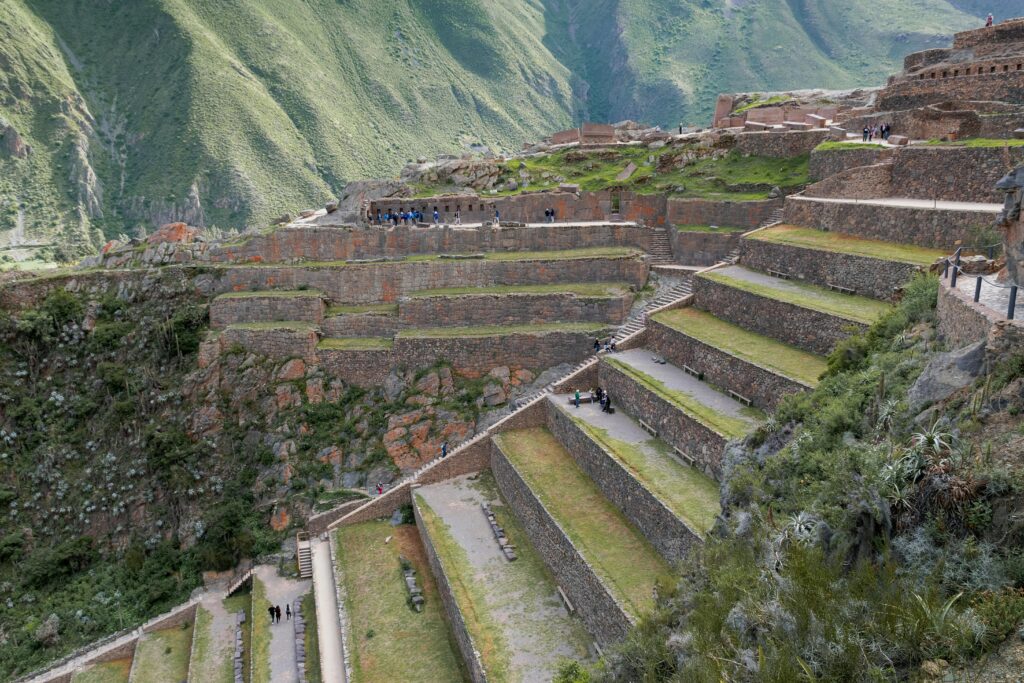
- Terracing and Irrigation: The Incas were masters of agriculture, developing advanced techniques such as terracing and irrigation systems to cultivate crops in the steep Andean mountains.
- State-Controlled Economy: The Inca government controlled the distribution of goods and resources. They had no formal currency system, instead relying on a system of exchange through labor and goods.
- Roads and Communication: The Inca built an extensive network of roads and bridges across their empire, facilitating trade and communication. The Inca road system spanned over 25,000 miles.
5. Religion
Religion played a central role in Inca society. The Inca pantheon was populated with gods associated with natural elements, celestial bodies, and important concepts:
- Inti: The sun god, who was considered the most important deity.
- Viracocha: The creator god, believed to have created the world.
- Pacha Mama: The earth goddess, who was revered for her role in fertility and agriculture.
- Apu: The spirits of the mountains, which were also worshipped.
- Priests and Ceremonies: Religious ceremonies, including sacrifices, were held to honor the gods. The Incas often used human sacrifice (though limited) and animal sacrifice (particularly llamas and guinea pigs) in their rituals.
6. Achievements and Contributions
The Incas were renowned for their engineering, agricultural, and architectural accomplishments:
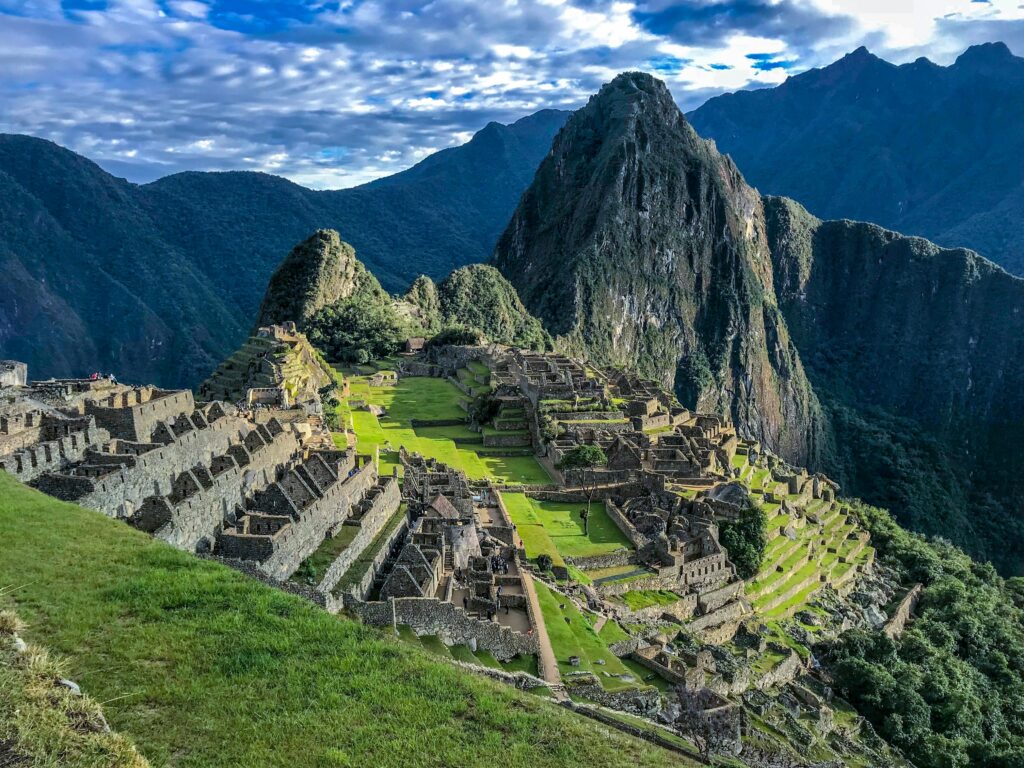
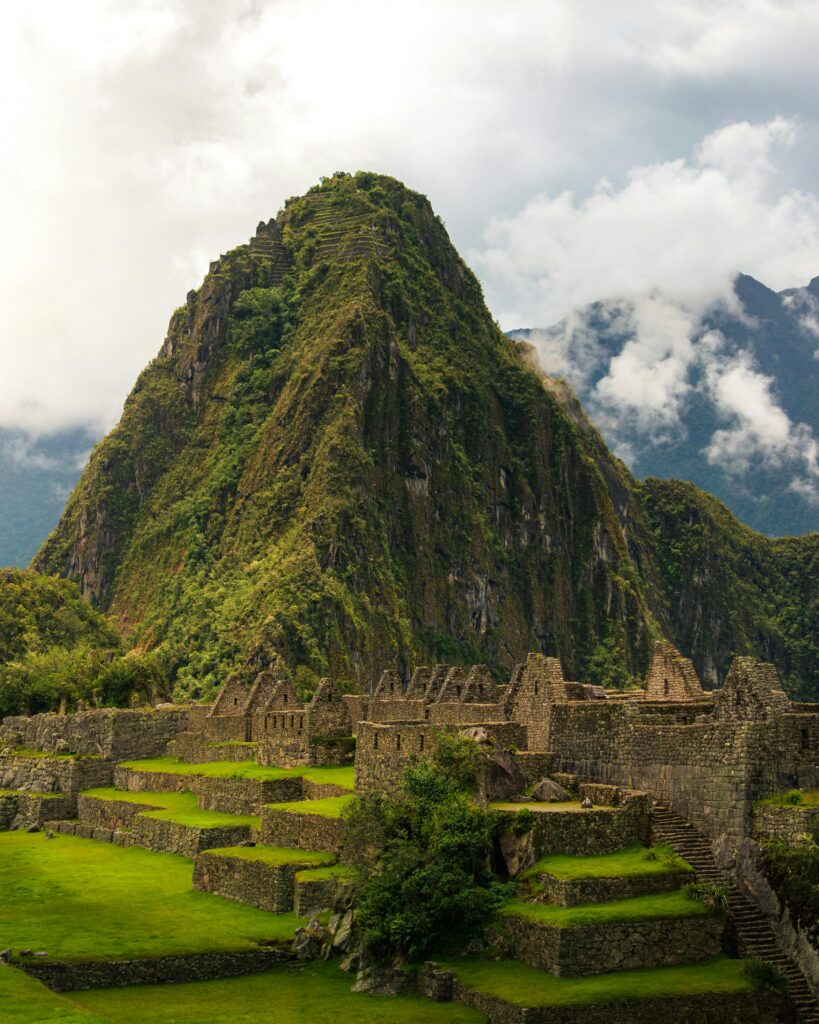
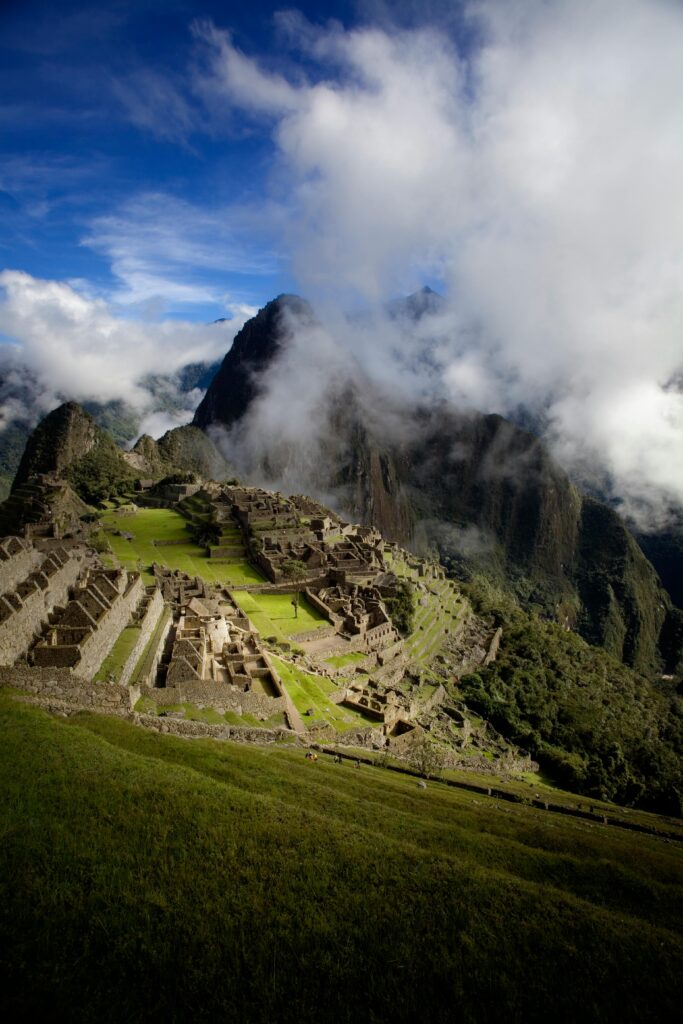
- Machu Picchu: The most famous example of Incan architecture, this mountaintop city is considered one of the New Seven Wonders of the World. It was a royal retreat and possibly a religious site.
- Terracing: Inca farmers developed vast terraces that enabled them to grow crops in the rugged Andean mountain range.
- Quipu: The Incas used a system of knotted strings known as quipu to keep records and communicate information, as they did not have a written language.
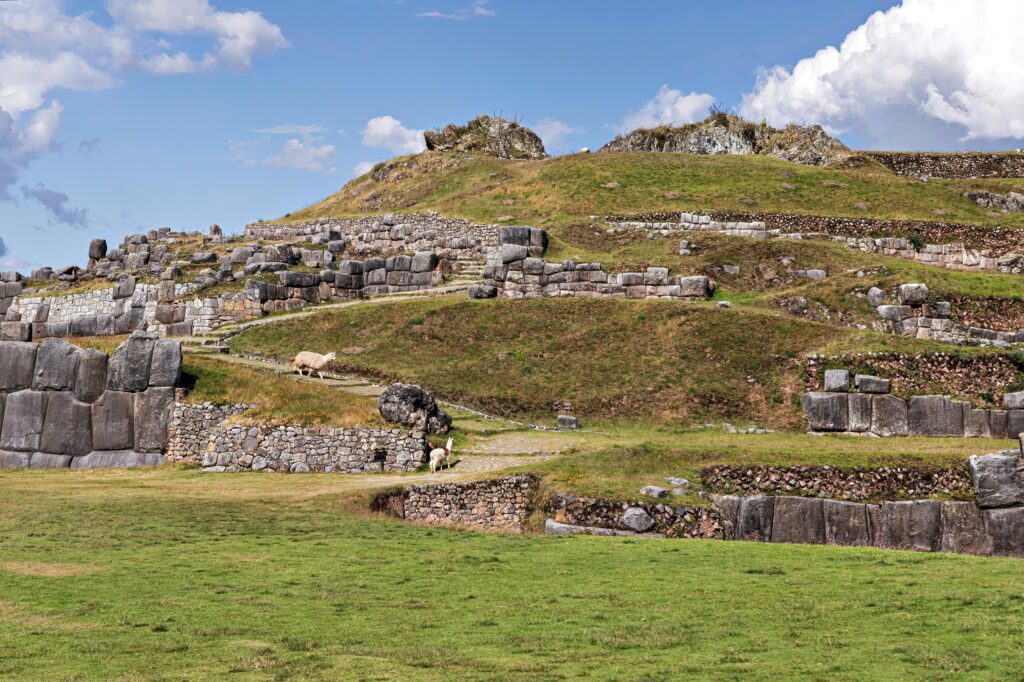
- Stonework: The Incas were skilled stone masons, and they created structures using perfectly fitted stones that did not require mortar. This technique has allowed many Inca structures to remain intact for centuries.
- Road Networks: The Inca built the most extensive and advanced road system in pre-Columbian America, facilitating the movement of people, goods, and the military.
7. Decline and Fall
The Inca Empire was at its height when it encountered the Spanish conquistadors in the early 16th century:
- Spanish Conquest: In 1532, the Spanish conquistador Francisco Pizarro arrived in Inca territory. At that time, the empire was already weakened by internal conflict, including a civil war between two brothers, Atahualpa and Huáscar, who fought for the throne after the death of their father, Huayna Capac.
- Capture of Atahualpa: In 1532, Pizarro captured the Inca emperor, Atahualpa, and eventually executed him. The Spanish exploited divisions within the empire, and the combination of European diseases, superior weaponry, and local alliances led to the rapid collapse of the Inca Empire.
8. Legacy
The Inca civilization left a profound legacy that continues to influence the Andean region today:
- Cultural Influence: Many aspects of Incan culture, including language (Quechua), agriculture (potato cultivation), and art, are still prevalent in modern Andean societies.
- Historical Sites: The ruins of Incan cities, especially Machu Picchu, attract millions of visitors each year and stand as a testament to the empire’s ingenuity.
In summary, the Inca civilization was a highly organized, advanced society with significant achievements in governance, engineering, agriculture, and religion. Despite its fall to Spanish conquest, the Inca’s cultural and technological innovations continue to shape the Andean region today.