


Security at the Winter Olympics: Robots, Drones and a Cyber Command Center
Thousands of police and security officers will work during the Milan-Cortina Games’ opening ceremony. The involvement of some U.S. Opposition has been stirred by ICE personnel. For the authorities charged with securing the Winter Olympics, which begin this week in northern Italy, a gold medal moment will come even before the competitions begin in earnest.
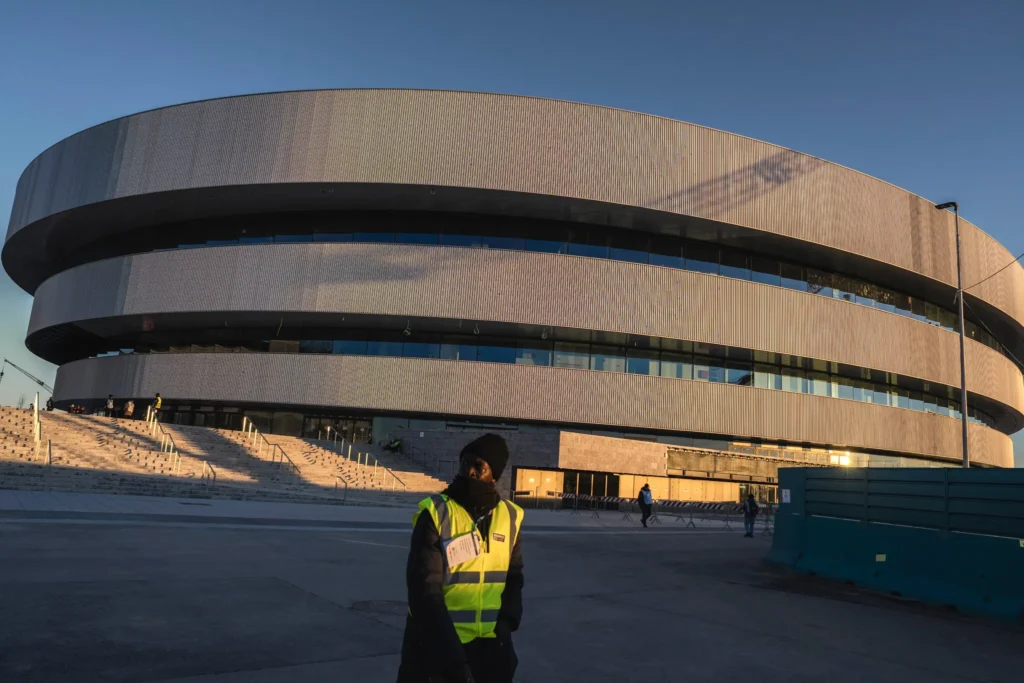
The opening ceremony on Friday will draw billions of viewers and pack a phalanx of dignitaries into Milan’s San Siro stadium for the Games’ grand unveiling. It also makes for a grand target.
“If attackers want to alter the games, to sabotage the Games, the opening ceremony is a way to go,” Franz Regul, who led cybersecurity efforts for the 2024 Summer Olympics in Paris, said in an interview.
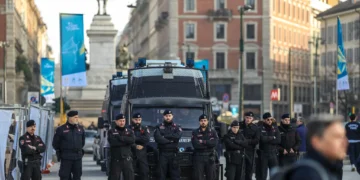
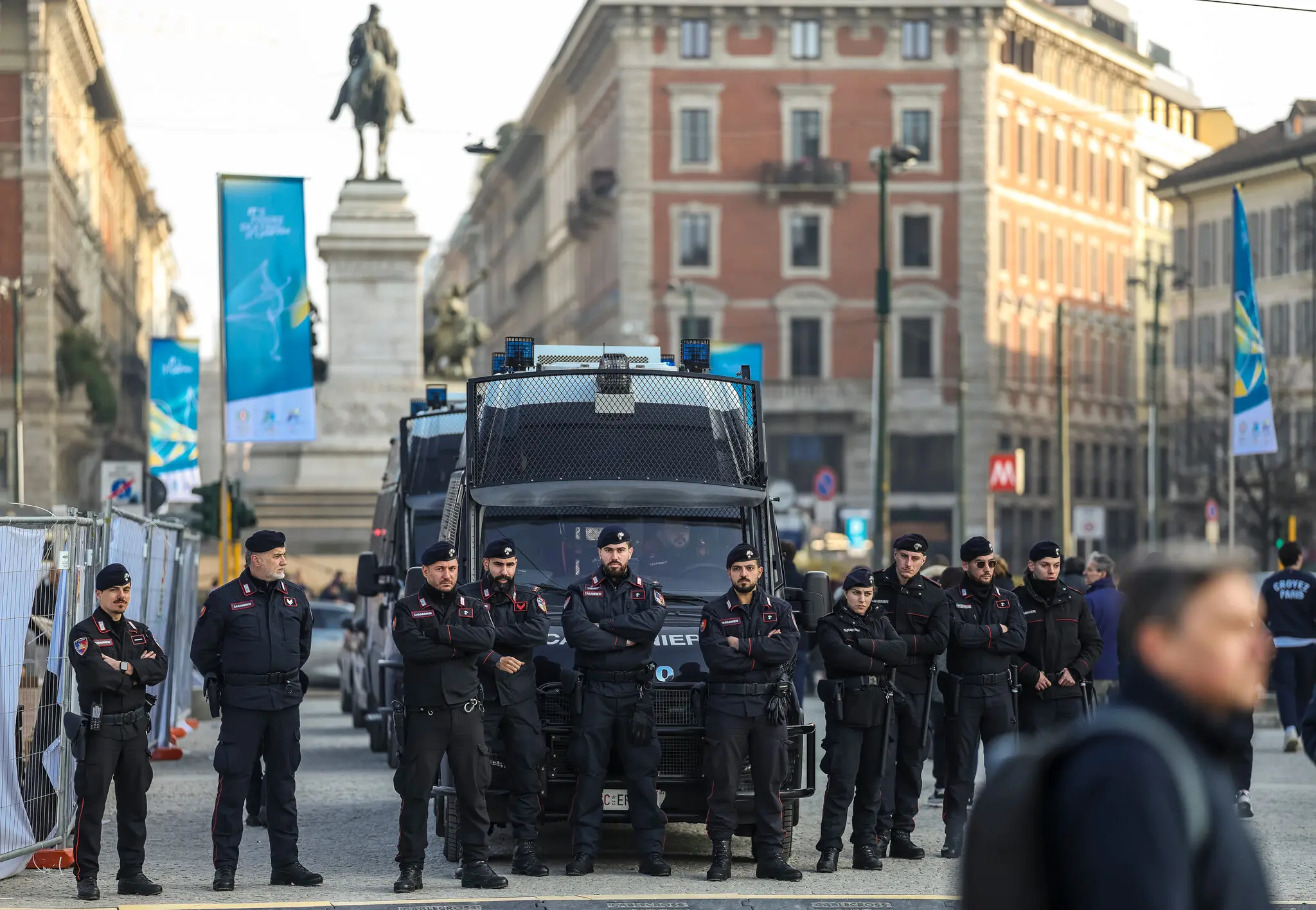
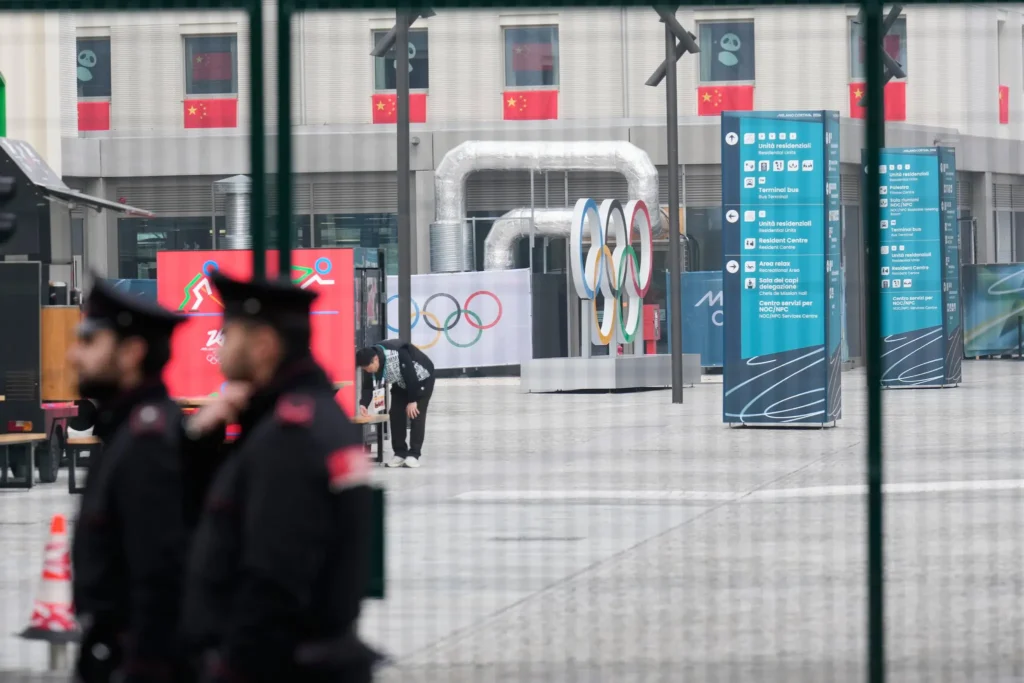
The ceremony (scheduled to begin Friday at 2 p.m. Eastern) involves more than 1,000 performers who have spent hundreds of hours rehearsing and will act as Italy’s calling card to the world. Protecting the show — which will also feature simultaneous events at Olympic sites in the mountains around Cortina and Livigno — requires one of the largest and most complex security operations in Italian history, involving 6,000 police and security personnel as well as a fleet of surveillance drones and robots to conduct inspections.
“We do train, we do prepare for the games and, in our case, during the opening ceremony, we have our own Olympics final,” Mr. Regul said. He recalled exhaling a sigh of relief when the most significant controversy surrounding the opening ceremony in Paris two years ago was not caused by a security breach but rather by an artistic performance. Still, before dawn on the day of the opening ceremony, a sabotage attack disrupted France’s high-speed rail network, stranding thousands of travelers and marring a moment of national glory.
No organization claimed responsibility. In 2018, a major cyberattack led to the unprecedented disruption of the opening ceremony of the Winter Olympics in Pyeongchang, South Korea. The attack took out internet access and telecasts, grounded drones that were supposed to be part of an elaborate set piece and shut down the Games’ website. It also prevented spectators from printing out tickets and attending the ceremony, resulting in an unusually high number of empty seats.
That attack was ultimately attributed to Russia, which, according to the British government, had attempted to disguise the attack as one perpetrated by North Korea.
Russian actions have been a menace to the Olympics for more than a decade, since the exposure of a massive state-sponsored doping program led to international bans on Russian athletes representing their nation in major sporting events — prohibitions that have continued since Russia’s 2022 invasion of Ukraine. Russians may only compete in the Milan-Cortina Games as neutral athletes, without carrying the national flag.
Russia’s attempts to undermine recent Games have included hacking events and even an elaborate disinformation campaign before the Paris Olympics that included a fake documentary featuring a voice purporting to be that of the actor Tom Cruise.
Daniel Byman, the director of the Warfare, Irregular Threats and Terrorism Program at the Washington-based Center for Strategic and International Studies, said that Olympic organizers worry about state-based threats “because they tend to be more skilled and have more resources.”
Yet while Russia is seen by experts to be among the biggest state threats to the safe completion of the Olympics, it is security personnel from another nation — the United States — that has exercised many Italians.
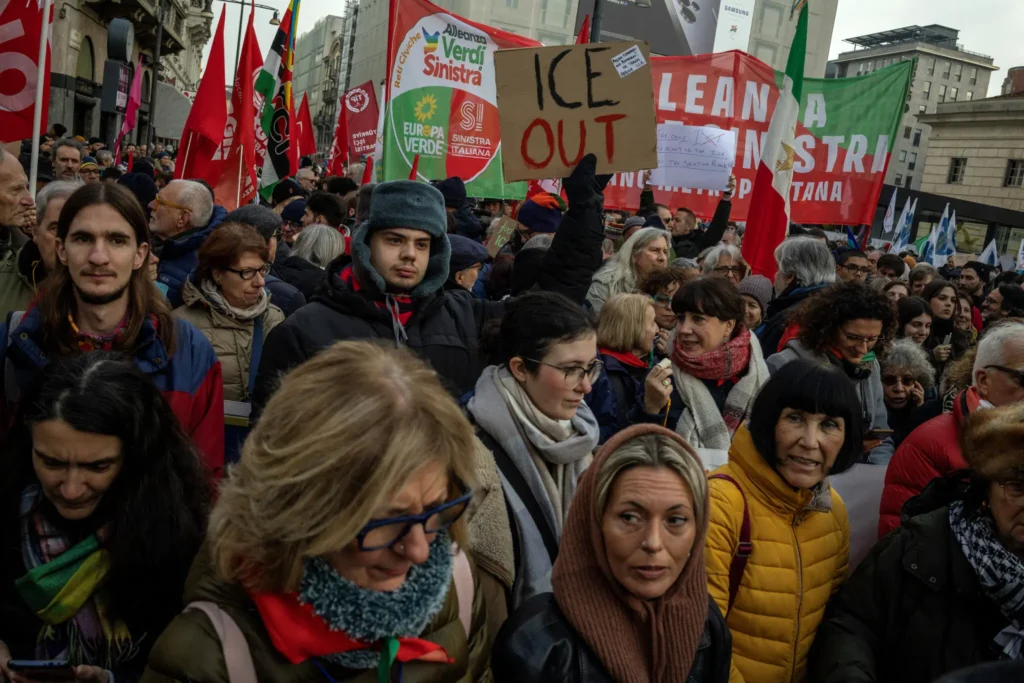
The disclosure last week that agents from the U.S. Italian officials and protesters expressed their displeasure with ICE agents’ actions during the Trump administration’s aggressive immigration crackdown in Minnesota, and the announcement that Immigration and Customs Enforcement would accompany American officials to the Olympics has sparked an uproar in Italy.
U.S. officials have sought to clarify that the Italian authorities are responsible for all security operations. They have stated that the Homeland Security Investigations division, or H.S.I., of ICE, which frequently collaborates with international partners on security and public safety issues, will be in charge of immigration enforcement. “H.S.I.’s role at the Olympics will be strictly advisory and intelligence-based, with no patrolling or enforcement involvement,” Tilman J. Fertitta, the U.S. ambassador to Italy, said in a statement last week.
Still, ICE’s presence in Italy has led to the biggest pre-Games diplomatic flashpoint. The mayor of Milan has said the Italian government should block ICE, which he described as a militia engaged in “criminal acts.”
The backlash has been so severe that U.S. This week, Olympic officials made the announcement that the Milan hotel’s “Ice House,” a hospitality area for American athletes, would be renamed “Winter House.” The venue “was designed to be a private space free of distractions,” the organizers said in a statement.
Mr. Byman, a former U.S. government intelligence analyst, said he had not known of the presence of ICE at any previous Games.
To secure the Paris Olympics, celebrated as one of the most successful in recent times, organizers blocked off large areas of the city to to traffic and deployed thousands of uniformed military personnel.
The security plan at the Milan-Cortina Games will also involve robots capable of inspecting hazardous or inaccessible areas and — like in Paris — a 24-hour cybersecurity command center that will monitor Olympic networks and key transport infrastructure.