


Trump has stated that he will increase South Korea’s tariffs by 25%.
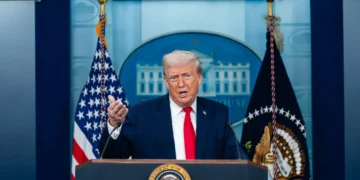
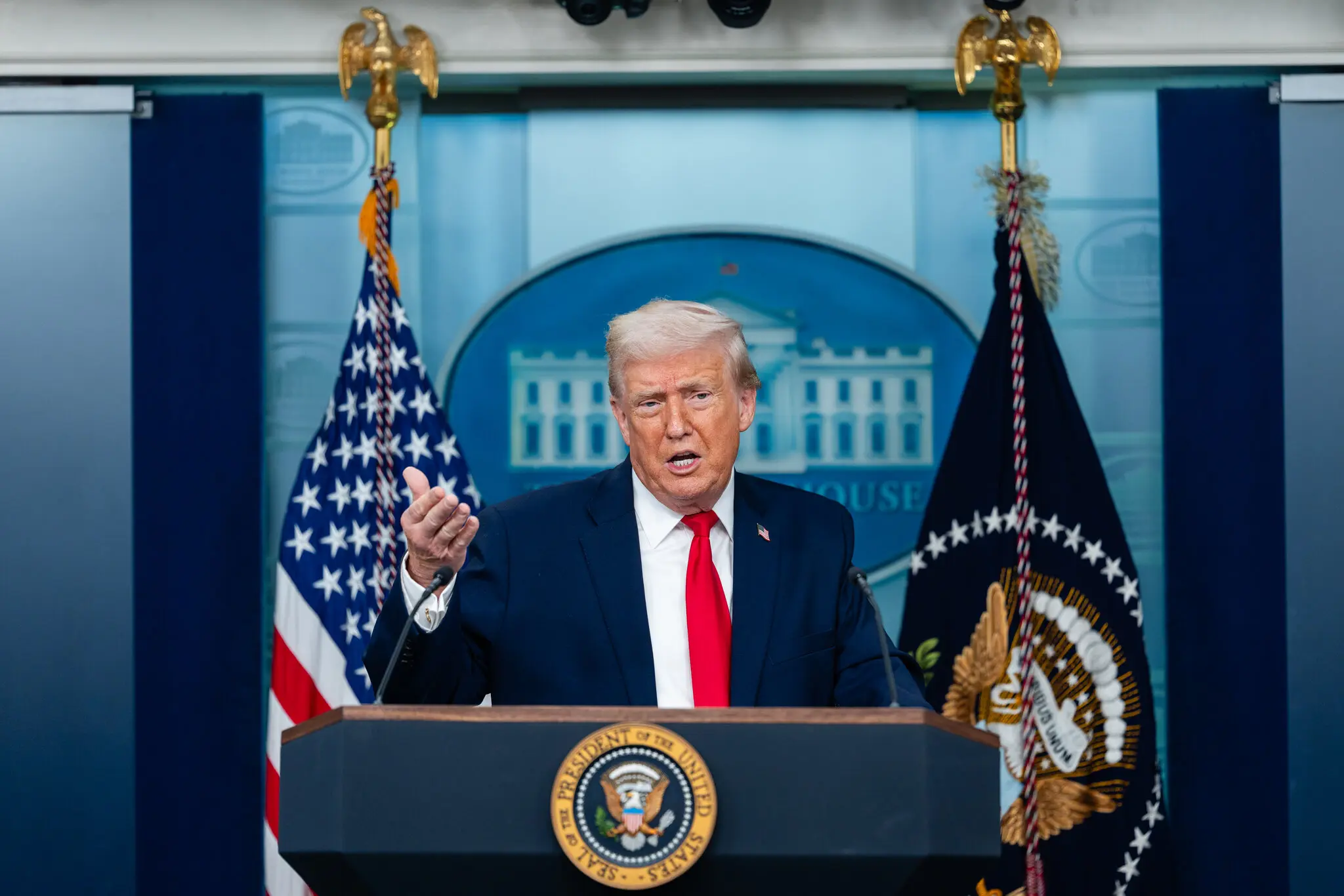
President Trump threatened to increase tariffs on South Korean exports, including cars, citing the country’s slow ratification of a trade deal.
President Trump threatened to increase tariffs on South Korean exports because the country had not ratified a trade deal with the United States quickly enough.
In a Truth Social post, Mr. Trump criticized the Korean National Assembly for failing to approve a July 30 trade agreement he had reached with the South Korean president. “Because the Korean Legislature hasn’t enacted our Historic Trade Agreement, which is their prerogative, I am hereby increasing South Korean TARIFFS on Autos, Lumber, Pharma, and all other Reciprocal TARIFFS, from 15% to 25%,” the president said.
The White House had not yet issued an executive order to implement the tariff change as of Monday evening. Last year, the president slapped a 25% tariff on all exports from South Korea. In a framework trade deal he announced in July with President Lee Jae Myung, he then agreed to reduce that to 15%. However, the agreement’s specifics, including South Korea’s promise to invest in the United States, remained a source of contention between the two governments.
Officials in Korea were concerned that a transaction of that magnitude would not be financially feasible, despite the fact that the United States desired a cash investment of hundreds of billions of dollars. The two sides appeared to make progress in October, when Mr. Trump visited South Korea and was lavished with gilded gifts, including the replica of a historical crown. That same month, the Korean government made it clear that it had reached a deal with the United States regarding the specifics of the deal.
Within that agreement, the Korean government said that it would invest up to $20 billion annually and set aside another $150 billion to invest in American shipbuilding operations. The bill had to be approved by South Korea’s National Assembly before the trade deal could be put into effect.
On Tuesday, the South Korean government said that the United States had not officially informed it of Mr. Trump’s decision to increase tariffs or shared any details regarding the matter. Mr. According to Lee’s office, senior staff members planned to meet on Tuesday morning to discuss Mr. Trump’s declaration. South Korea’s trade minister, Kim Jung-Kwan, who was visiting Canada, planned to travel to the United States soon to meet Commerce Secretary Howard Lutnick, it said.
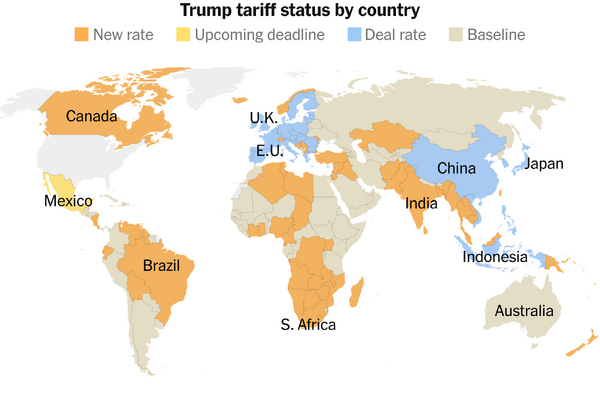
The Trump administration has announced limited trade deals with more than 10 countries, though some of those deals have fallen into trouble. For instance, a trade framework that was being negotiated with the European Union was recently put on hold because Mr. Trump threatened European nations with tariffs unless they gave the United States the Danish territory of Greenland. Even though Mr. Trump later stepped back from that tariff threat, the trade agreement still requires the approval of the European Parliament.
The legal authority that Mr. Trump has relied on to impose tariffs on South Korea and other nations, a 1970s emergency law known as the International Economic Emergency Powers Act, is currently under review at the Supreme Court.
The court is expected to issue a decision in the coming months about whether Mr. Trump used that act to impose global tariffs, exceeding his authority. If it rules that he has acted illegally, the president may have to rely on other tariff laws that do not allow him to raise and lower tariffs so suddenly.