


OpenAI Starts Testing Ads in ChatGPT
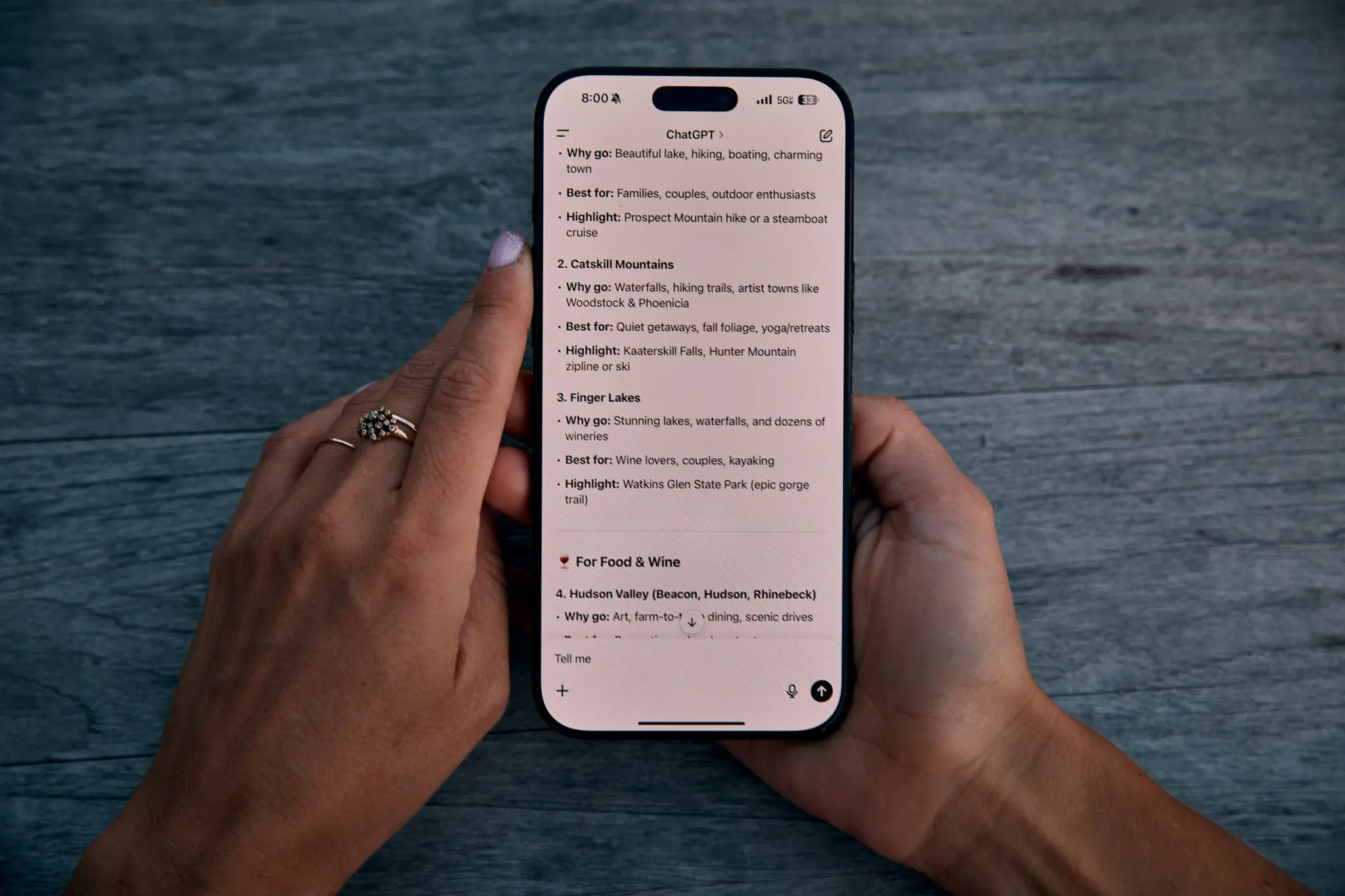
On Friday, the company said that ads would start appearing in the free version of its chatbot in the coming weeks. OpenAI is getting ready to serve ads inside ChatGPT, a long-expected move that could turn the company’s popular chatbot into a bigger moneymaker.
The San Francisco company said on Friday that over the next several weeks it would begin testing ads in the free version of the online chatbot and a low-cost version called ChatGPT Go, which costs $8 a month.
As the company considers a public stock offering, the new advertising program is part of a larger strategy to boost revenue. OpenAI is also building products for businesses in areas like computer coding, health care, finance and the law.
According to a person with knowledge of OpenAI who spoke on the condition of anonymity, the company expects to triple its revenue this year and charges subscription fees for its ChatGPT chatbot and other software. However, the company is also spending a lot of money. It plans to spend $115 billion between 2025 and 2029.
The cloud computing services and computer data centers that are required to develop artificial intelligence technologies and offer them to individuals and businesses worldwide will receive the majority of that funding. A vast majority of ChatGPT users rely on the free version of the chatbot, and adding advertising to it could help OpenAI close some of the gap on that spending.
In a blog post, the company said that when ChatGPT responds to questions, its answers would not fundamentally change, nor would the content of the ads affect them.
“People trust ChatGPT for many important and personal tasks, so as we introduce ads, it’s crucial we preserve what makes ChatGPT valuable in the first place,” the blog post read. “That indicates that you need to have faith that ChatGPT’s responses are driven by what is objectively useful,” Chatbots are not as conducive to ads as traditional web pages or search engines. Instead of a list of blue links that can be easily expanded with internet addresses from advertisers, chatbots produce prose. OpenAI, on the other hand, has been experimenting for a long time with different ways to deliver advertisements in ways that are meant to be invisible.
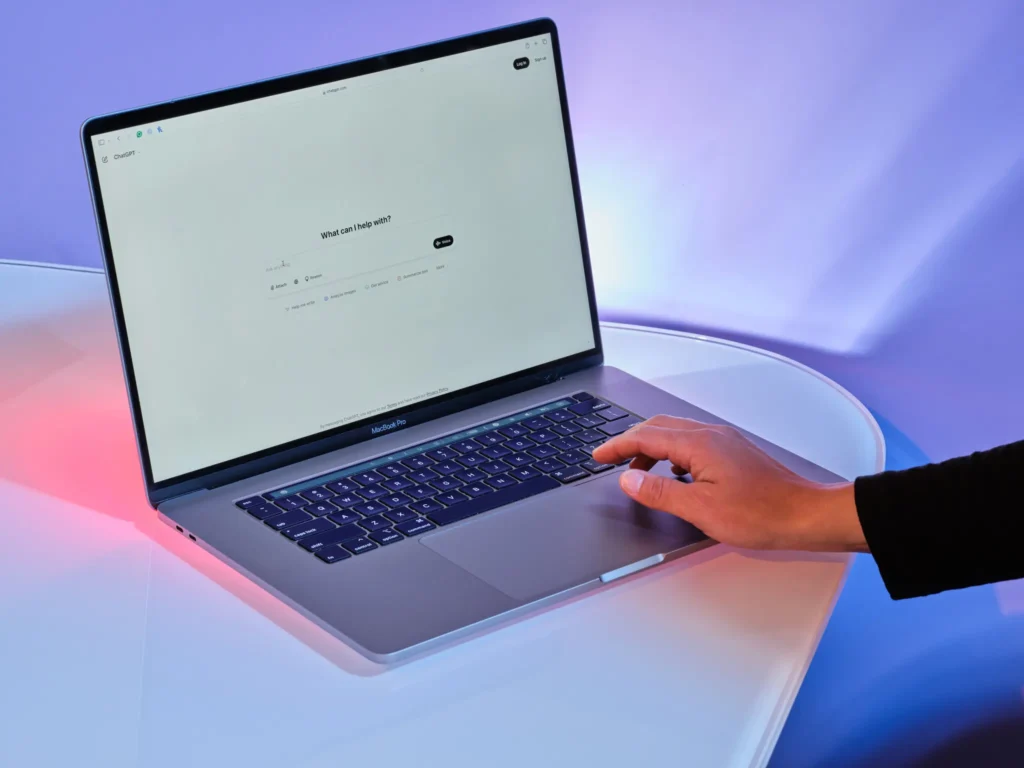
OpenAI said that personal data and conversations in chatbots would not be sold to advertisers. As is typical of online advertising, the company stated that advertisements would be tailored to what people are looking for when they query the chatbot and what they have previously searched for. Ad personalization, on the other hand, will be disabled for users. (OpenAI and Microsoft have been sued by The New York Times for copyright infringement of news content related to AI systems. The suit’s claims have been refuted by the two businesses.)