


Syria’s President Acknowledges Kurdish Rights, Signaling a Gesture Towards the Minority
President Ahmed al-Sharaa’s declaration follows several days of violent confrontations between government forces and Kurdish fighters, highlighting the challenges he faces in achieving national unity.
On Friday, President Ahmed al-Sharaa of Syria announced a decree affirming the rights of Kurdish Syrians, as reported by state media, which is seen as a significant gesture towards this minority group after a series of deadly clashes with government forces.
The presidential decree recognized Kurdish as a national language alongside Arabic and designated Nowruz, the Persian New Year celebrated by Kurds, as an official holiday in Syria. Mr. al-Sharaa also urged the government to restore Syrian citizenship to Kurdish residents who lost it following a 1962 census aimed at diminishing Kurdish political power.
This announcement came after a period of fierce fighting between Mr. al-Sharaa’s administration and the Kurdish-led Syrian Democratic Forces (S.D.F.), raising concerns that the conflict could escalate further.
“Be cautious of the narrative suggesting we wish harm upon our Kurdish people,” Mr. al-Sharaa stated in a video shared on the Syrian Arab News Agency, the state media platform. “Your welfare is our welfare.”
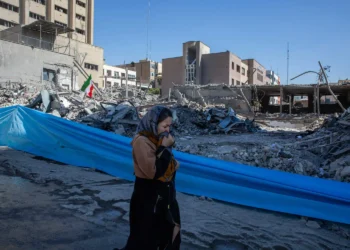
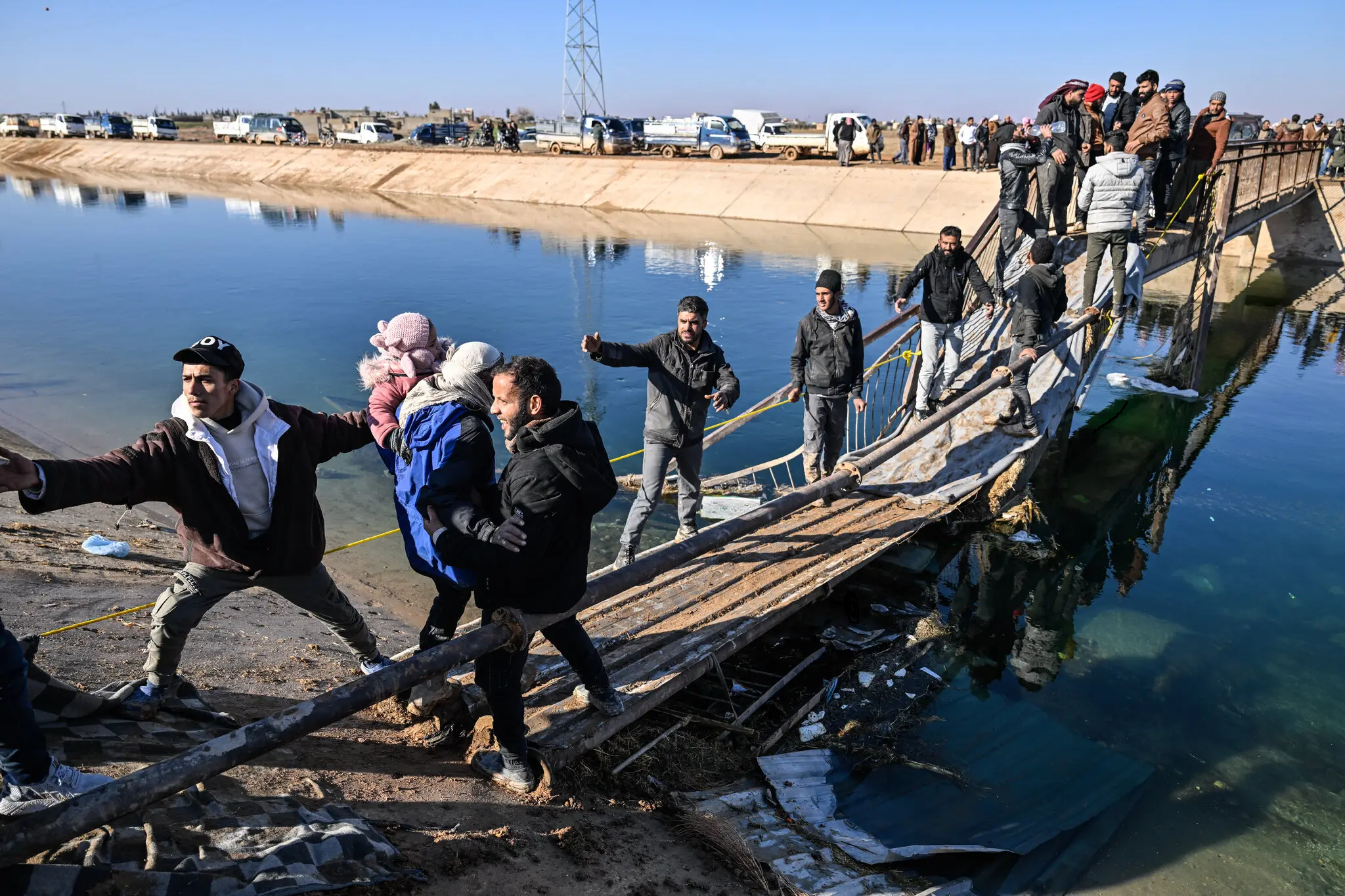
In the past year, Mr. al-Sharaa’s government and the S.D.F. have been in discussions to incorporate the group into a new national military. However, progress on these negotiations has stagnated recently, and last week, tensions flared into violence in the northern city of Aleppo, resulting in at least 24 civilian deaths over five days of conflict, forcing thousands to evacuate their homes.
This marked some of the most severe fighting since the civil war concluded in December 2024, when Mr. al-Sharaa’s coalition of rebel factions overthrew the regime of Bashar al-Assad.
On Friday evening, the looming threat of another significant confrontation loomed over northern Syria as government forces gathered near areas in eastern Aleppo occupied by S.D.F. fighters.
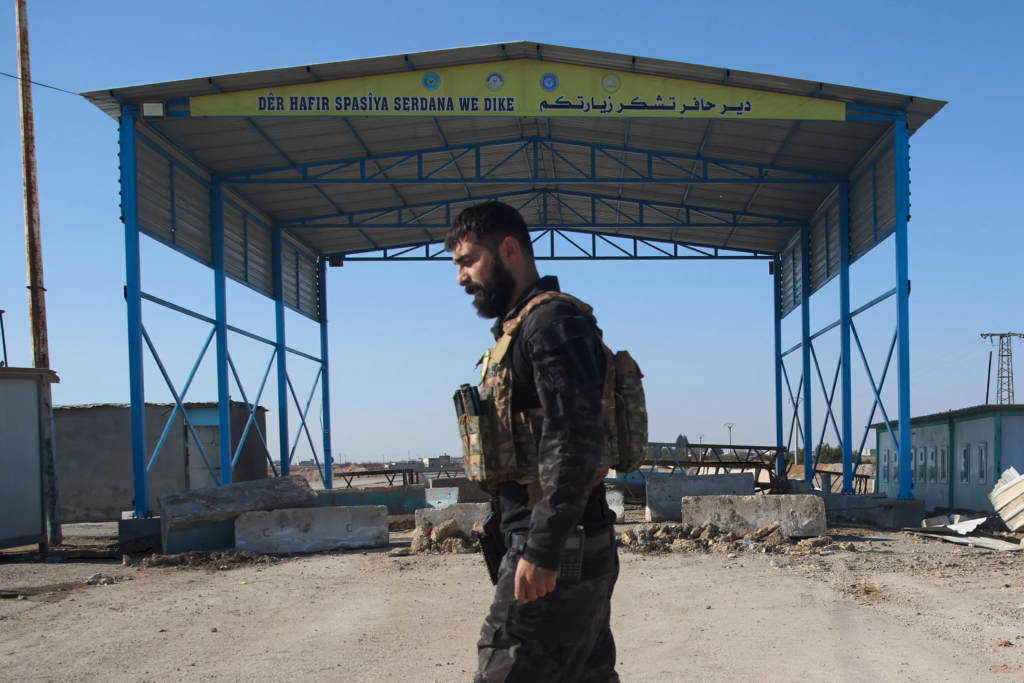
At the moment Mr. al-Sharaa declared the decree affirming the rights of Kurdish Syrians, the national military announced it had commenced attacks on those S.D.F. positions.
Shortly thereafter, S.D.F. leader Mazloum Abdi posted on X, stating that his forces would withdraw from the disputed area and reposition to regions east of the Euphrates River. It was still uncertain whether this move would prevent further confrontations with the government.
The recent week of fighting has highlighted the difficulties Mr. al-Sharaa faces as he pledges to unify a nation that has been deeply divided after nearly 14 years of civil war. Since his predominantly Sunni Muslim government took power, two regions in Syria, primarily inhabited by minority groups — the Kurdish-controlled northeast and the Druse in the southern province of Sweida — have resisted the central government’s authority.
Both groups are cautious of Mr. al-Sharaa, the former leader of a rebel faction once linked to Al Qaeda, and his Islamist-led administration. There are also doubts regarding the government’s capacity to safeguard minority rights following incidents of sectarian violence over the past year.
The Kurds, who constitute about 10% of Syria’s population, were stripped of many fundamental rights, including identity documents and business permits, during over five decades of the Assad family’s governance in Syria.
The decree signed by Mr. al-Sharaa on Friday “decisively breaks” from decades of “Arab nationalist exclusion that denied Kurds” in Syria, as stated by Ibrahim al-Assil, a senior research fellow at the Middle East Initiative at Harvard.
Nevertheless, many remained doubtful about the announcement and its underlying intentions.
“Mistrust runs deep, and many Kurds are cautiously welcoming this while remaining skeptical,” Mr. al-Assil remarked. “Ultimately, the decree will be evaluated based on actions, not just words.”